Transforming the Online Experience to Drive Customer Engagement and Streamline Aquarium Product Sales
E Commerce Mobile App
For Design Phase : 2 Weeks
My Role : UX Designer, UI Designer, UX Researches, UX Tester
Problem Statement
In the fast-evolving food delivery industry, our current app faces significant usability and user experience hurdles, impacting customer and restaurant partner satisfaction. Users struggle with navigation, ordering, customization, and payments, leading to decreased satisfaction and retention. Restaurant partners also grapple with order management and menu accuracy issues.
To maintain competitiveness and user-centricity in this fierce market, we must conduct an extensive UX case study. This study will pinpoint these issues and allow us to address them effectively, ultimately enhancing the overall user experience and boosting the app's user base and engagement levels
Target Audience
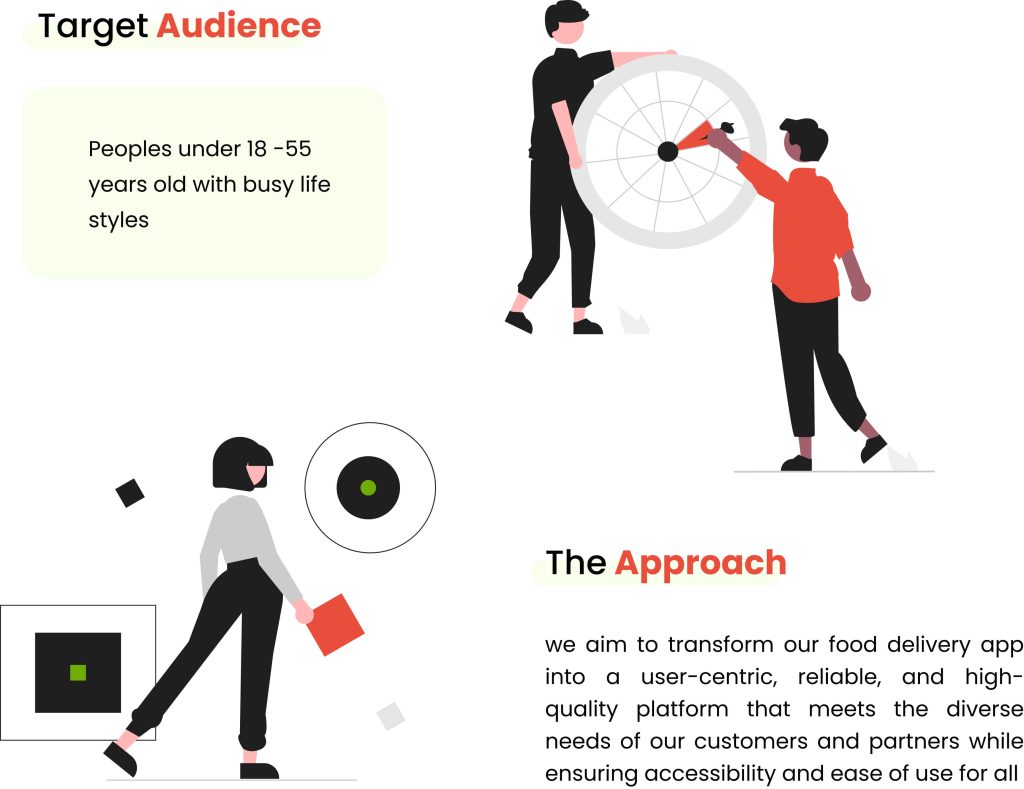
Our primary users include busy professionals, students, and families seeking convenient and efficient food delivery services. Additionally, restaurant partners looking for a seamless order management system form a crucial segment. Understanding their needs and pain points will help refine the app’s usability and satisfaction.
Competitive analyze
A thorough competitive analysis will evaluate key food delivery apps, identifying their strengths, weaknesses, and unique features. This will help us uncover gaps and opportunities to differentiate our platform, ensuring a superior user experience and market competitiveness.
Posible Solution
Time Management: Implement intelligent route optimization algorithms to reduce delivery times, improving user satisfaction.
Quality Delivery: Partner with reputable restaurants and drivers, and establish quality control checks to ensure consistent, high-quality deliveries.
Easy Payment Options: Integrate various payment methods and digital wallets for user convenience and security.
Quality Ingredients: Collaborate with trusted suppliers and showcase ingredient details on the app to guarantee quality.
User Accessibility: Prioritize user-friendly design, ensure compatibility with various devices, and provide accessibility features for all users.
User Research And Analyze
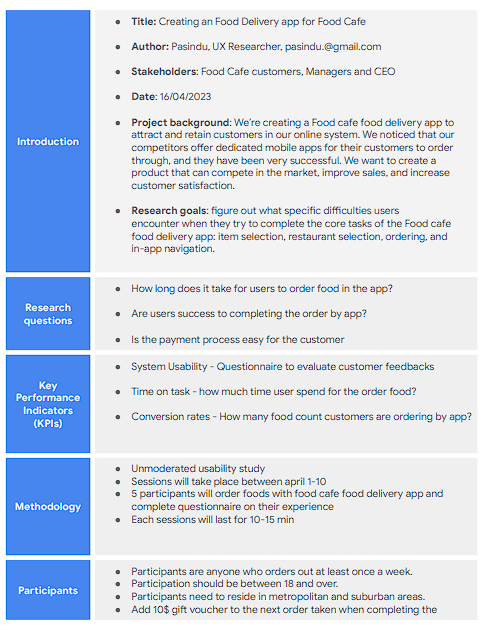
To gain deep insights into user behaviors, preferences, and pain points, we will conduct qualitative and quantitative research methods, including surveys, interviews, and questionnaire. This will help us understand user needs and refine the app’s features for a more intuitive and seamless experience.
Usability Study
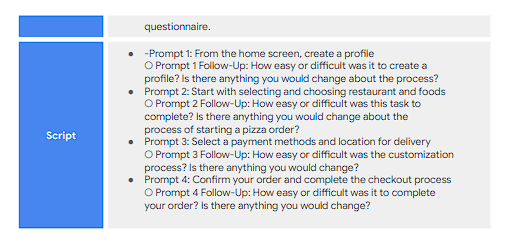
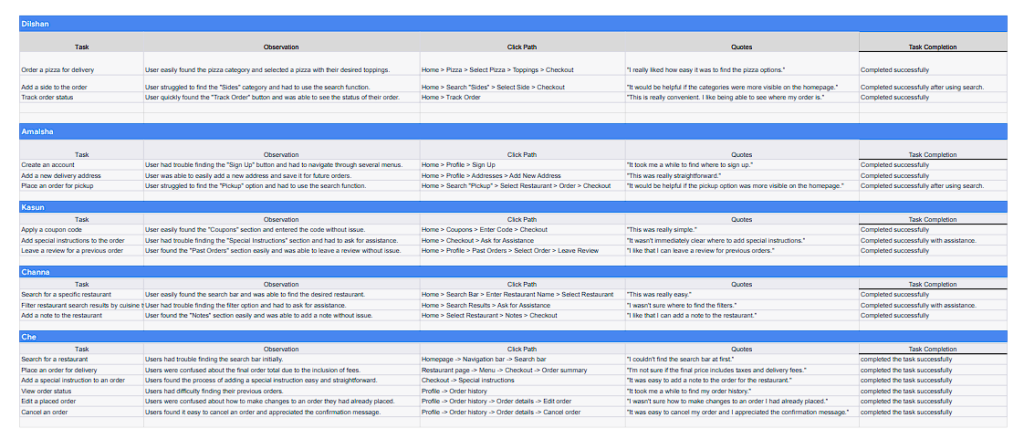
A usability study will test how easily users navigate the app, place orders, customize meals, and complete payments. By observing real user interactions and gathering feedback, we can identify friction points and optimize the app’s design for improved accessibility, efficiency, and overall satisfaction.
Afinity Diagram
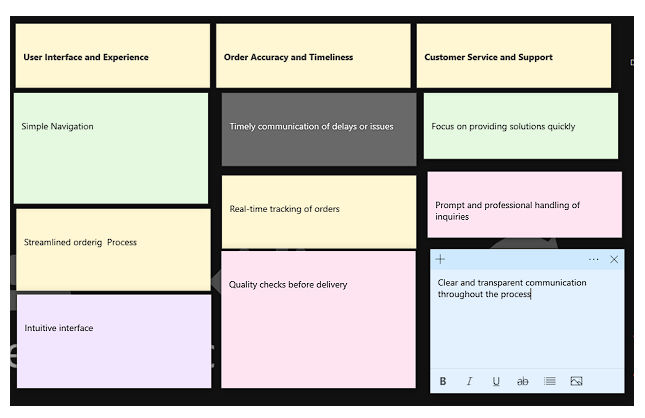
To organize and analyze user research findings effectively, we will create an affinity diagram. This will help categorize common themes, pain points, and user behaviors, allowing us to prioritize key areas for improvement. Grouping insights visually will streamline decision-making and highlight critical UX enhancements.
Design Changes According to User Research
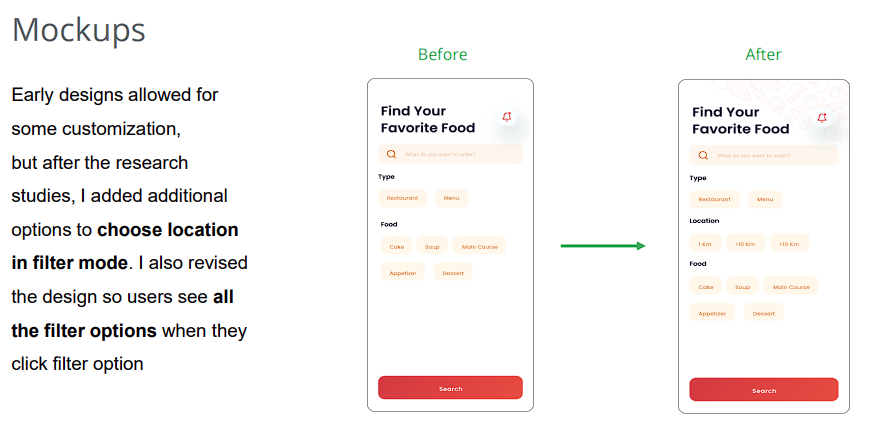
Following the user research findings, we will implement targeted design changes to address usability issues. These may include refining navigation, simplifying the ordering process, improving customization options, and enhancing the payment flow. Every design decision will be backed by user data, ensuring a more seamless and user-friendly experience.
Design Process
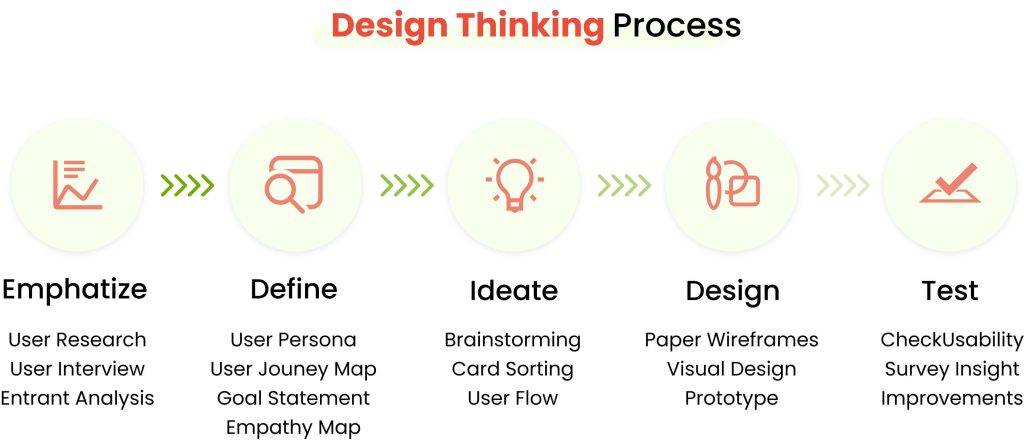
A structured UX design process ensures a user-centered approach. It includes research, ideation, wireframing, prototyping, user testing, and iteration. Each phase refines the user experience, addressing pain points and improving usability for both customers and restaurant partners.
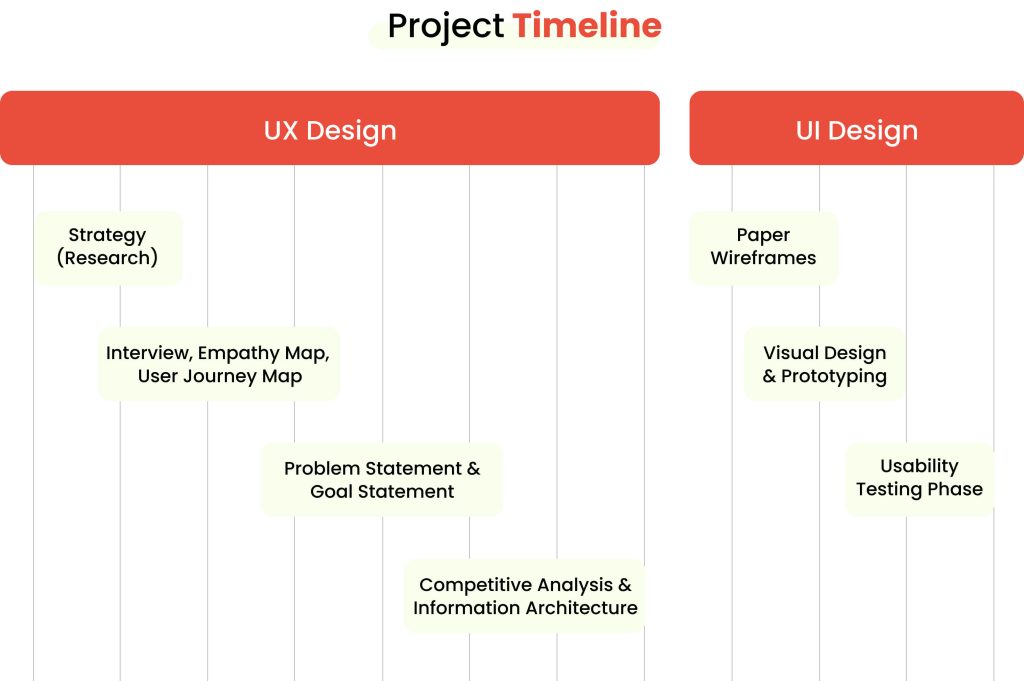
Design timeline
well-defined timeline outlines key phases of research, design, testing, and implementation. It ensures efficient progress, allowing for data-driven decision-making and iterative improvements to enhance the overall user experience.
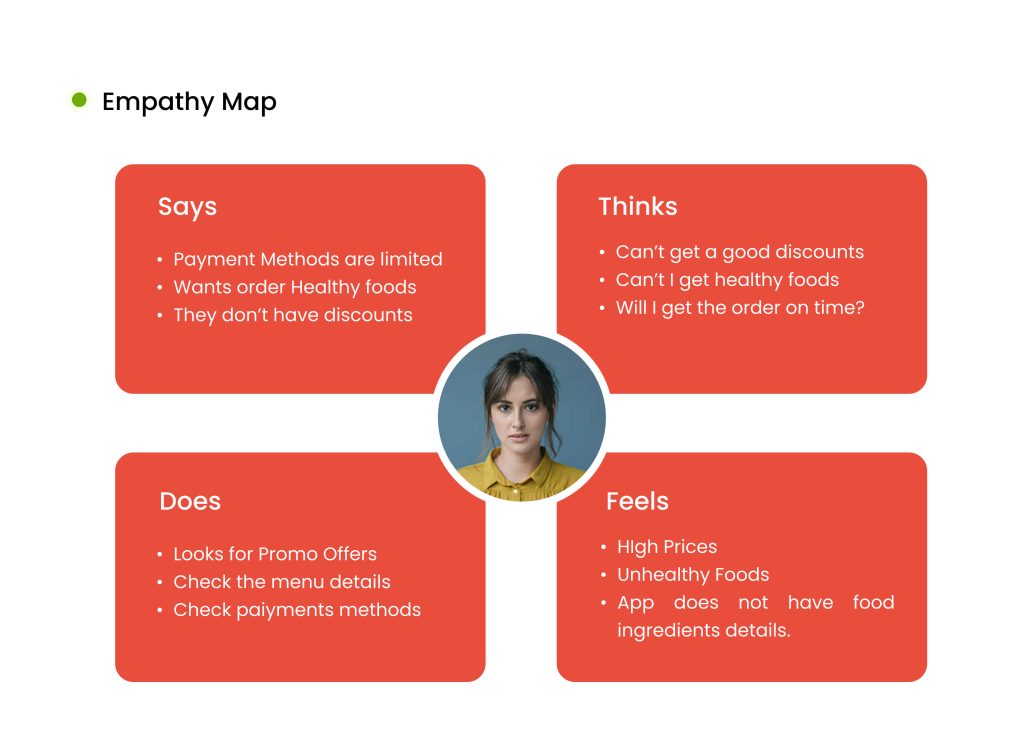
Empathy Map
An empathy map helps visualize user emotions, thoughts, behaviors, and pain points. By understanding what users say, think, do, and feel, we can align design decisions with their expectations, ensuring a more intuitive and satisfying user experience.
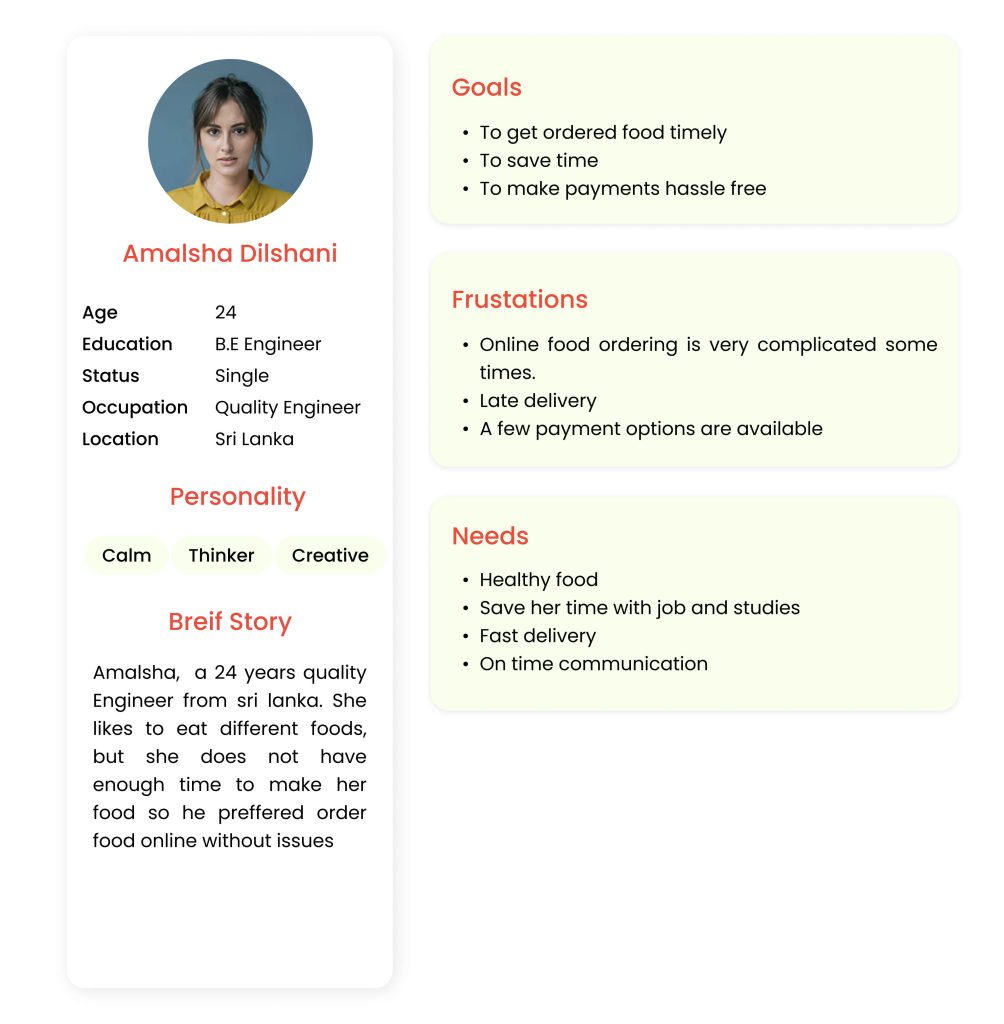
User Persona
User personas represent key user segments, detailing their demographics, goals, frustrations, and behaviors. These fictional yet research-based profiles guide design decisions, ensuring that solutions cater to real user needs and enhance engagement.
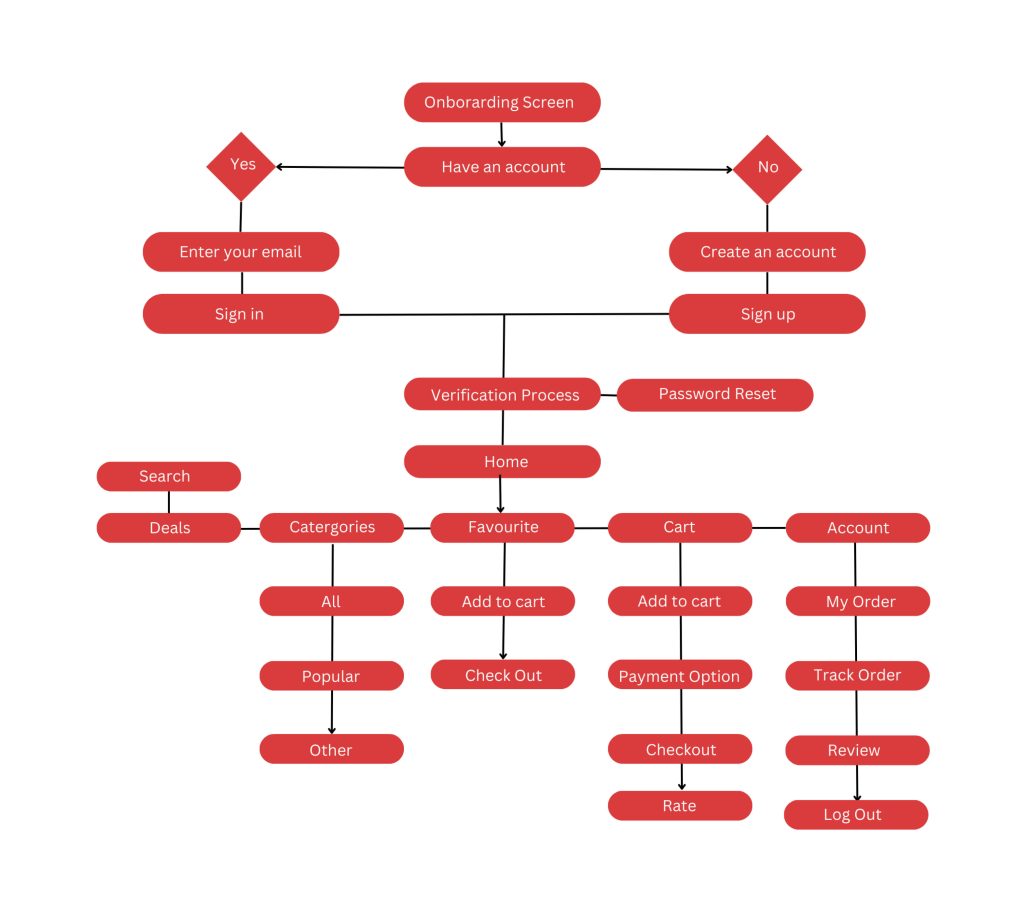
User Flow
A user flow maps the step-by-step journey users take to complete key tasks within the app, such as ordering food or managing restaurant menus. It helps identify friction points and optimize navigation for a smoother, more intuitive experience.
Design System
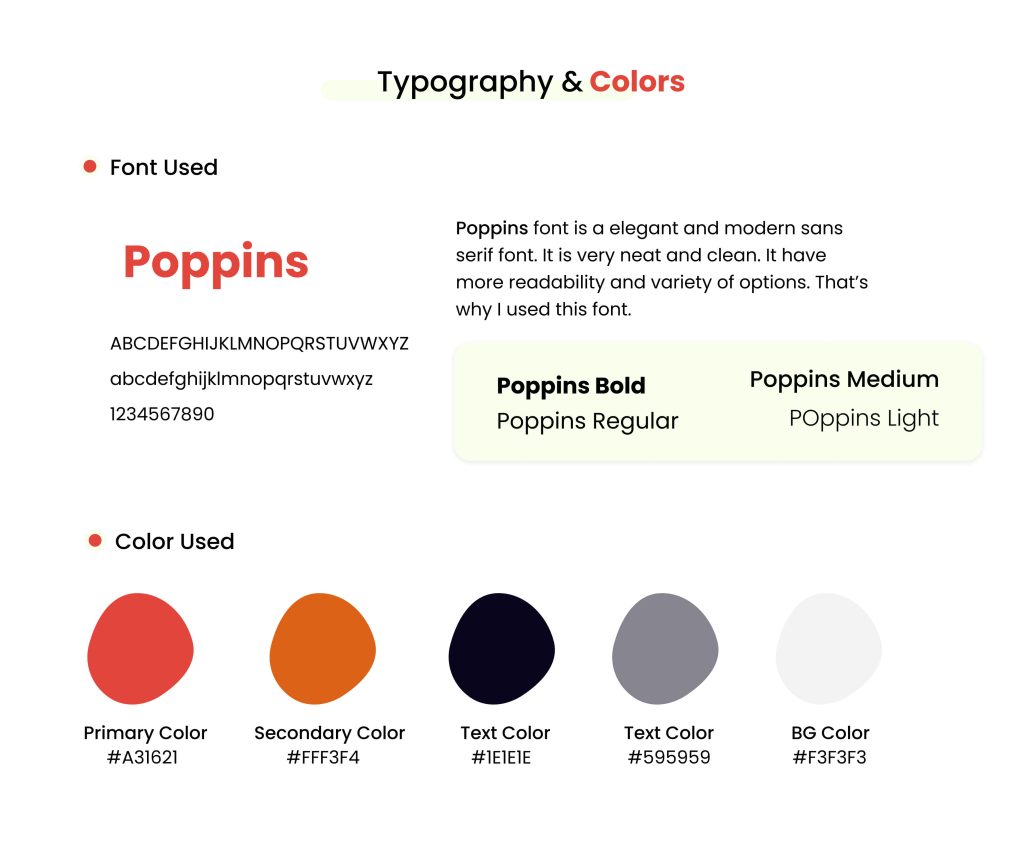
A design system ensures consistency and scalability across the app by defining visual styles, UI components, typography, colors, and interaction patterns. It enhances efficiency in design and development, creating a cohesive and user-friendly experience.
Wireframing
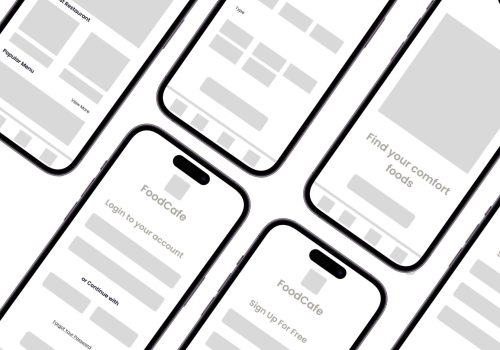
A user flow maps the step-by-step journey users take to complete key tasks within the app, such as ordering food or managing restaurant menus. It helps identify friction points and optimize navigation for a smoother, more intuitive experience.
Visual Design
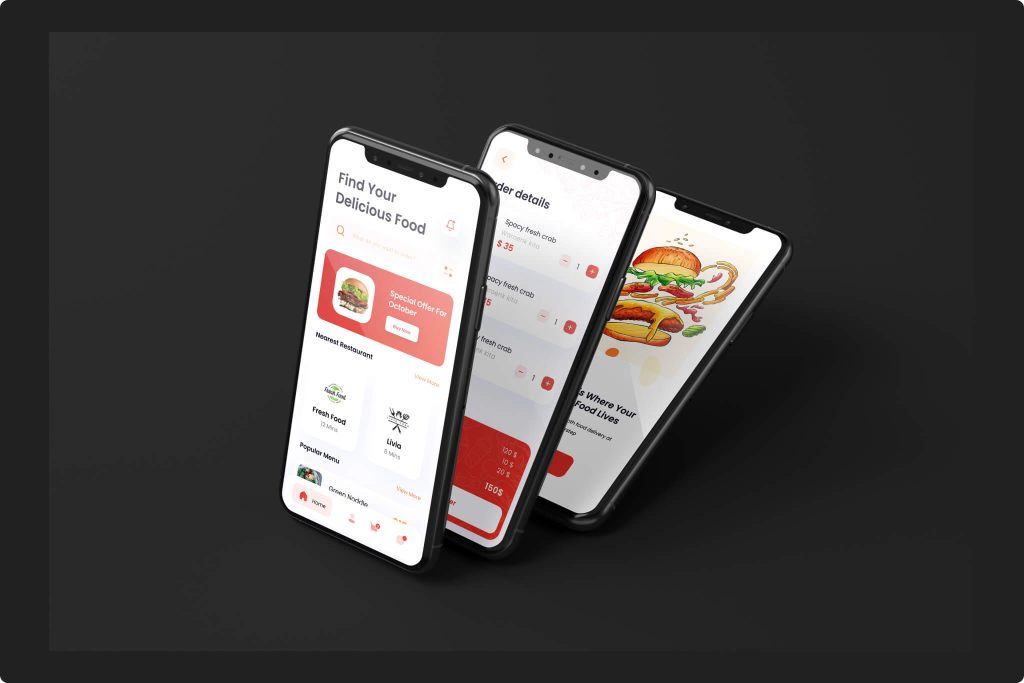
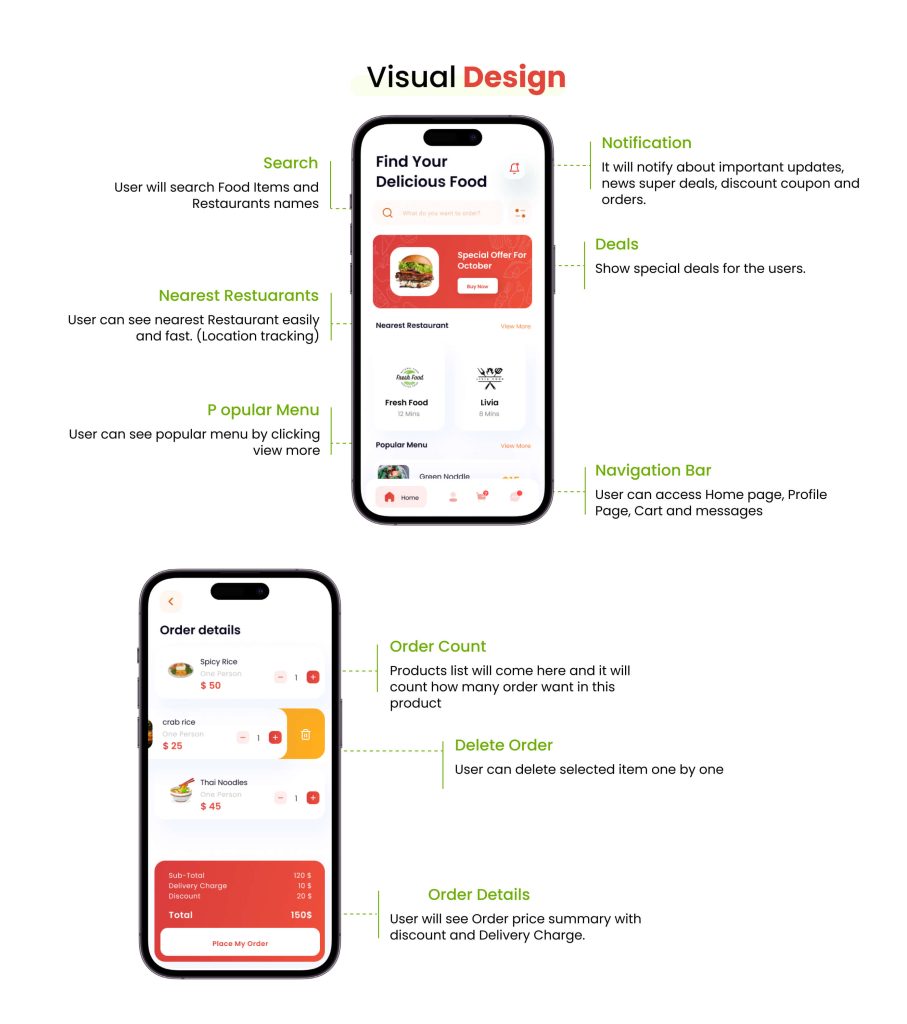
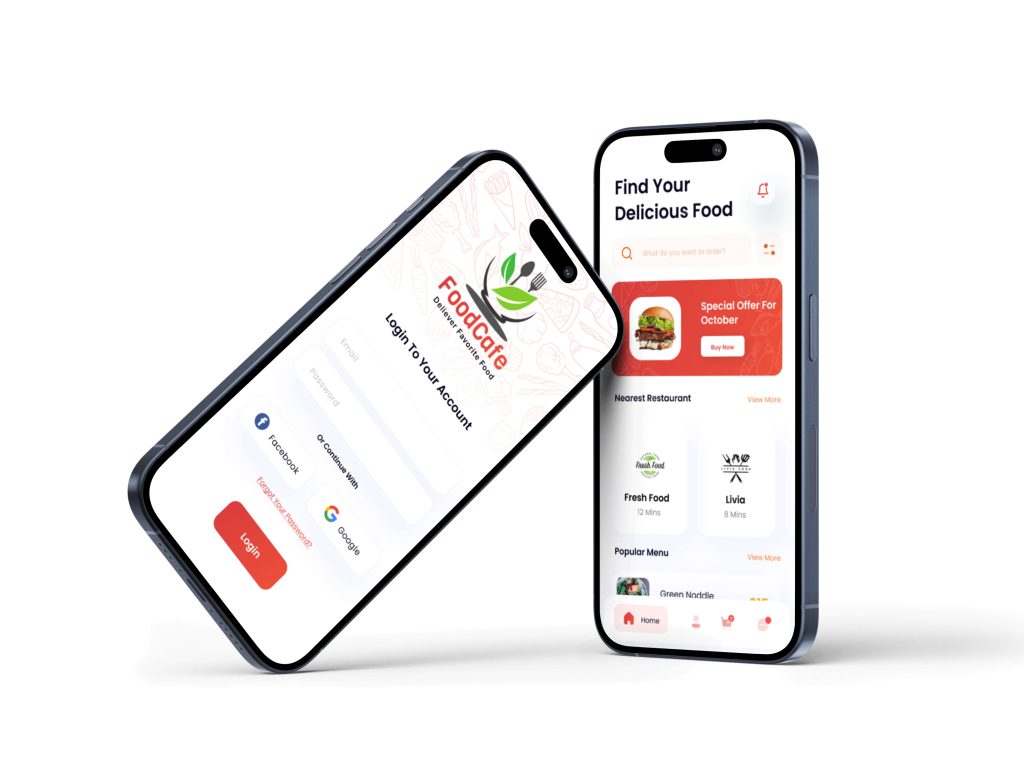
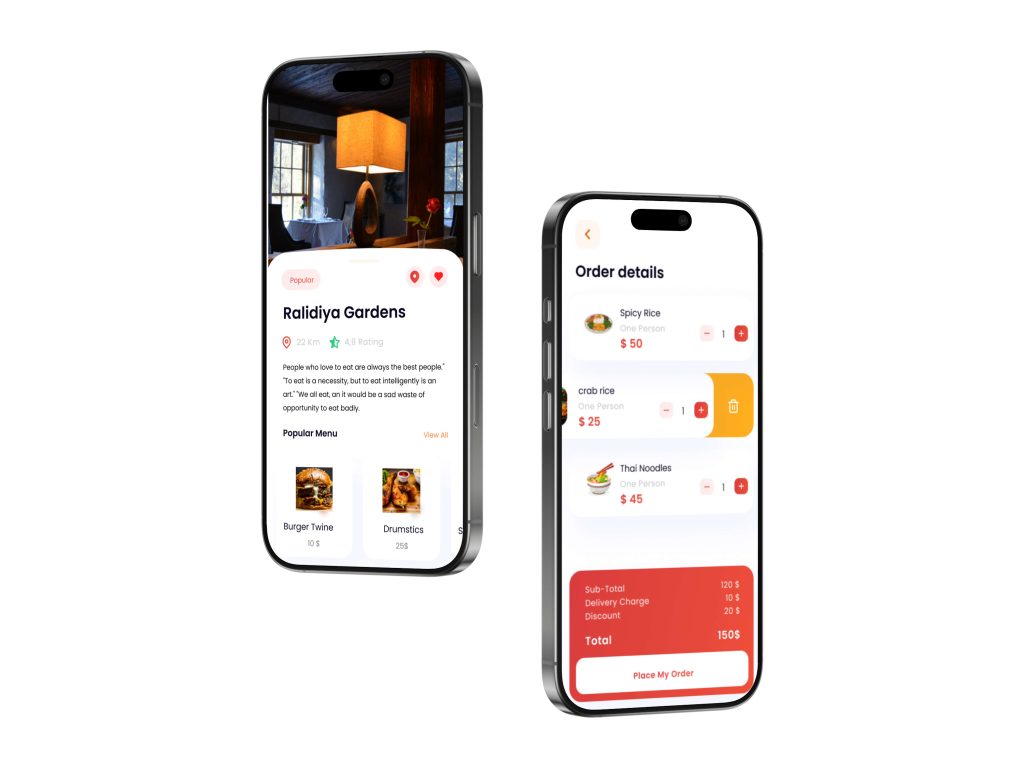
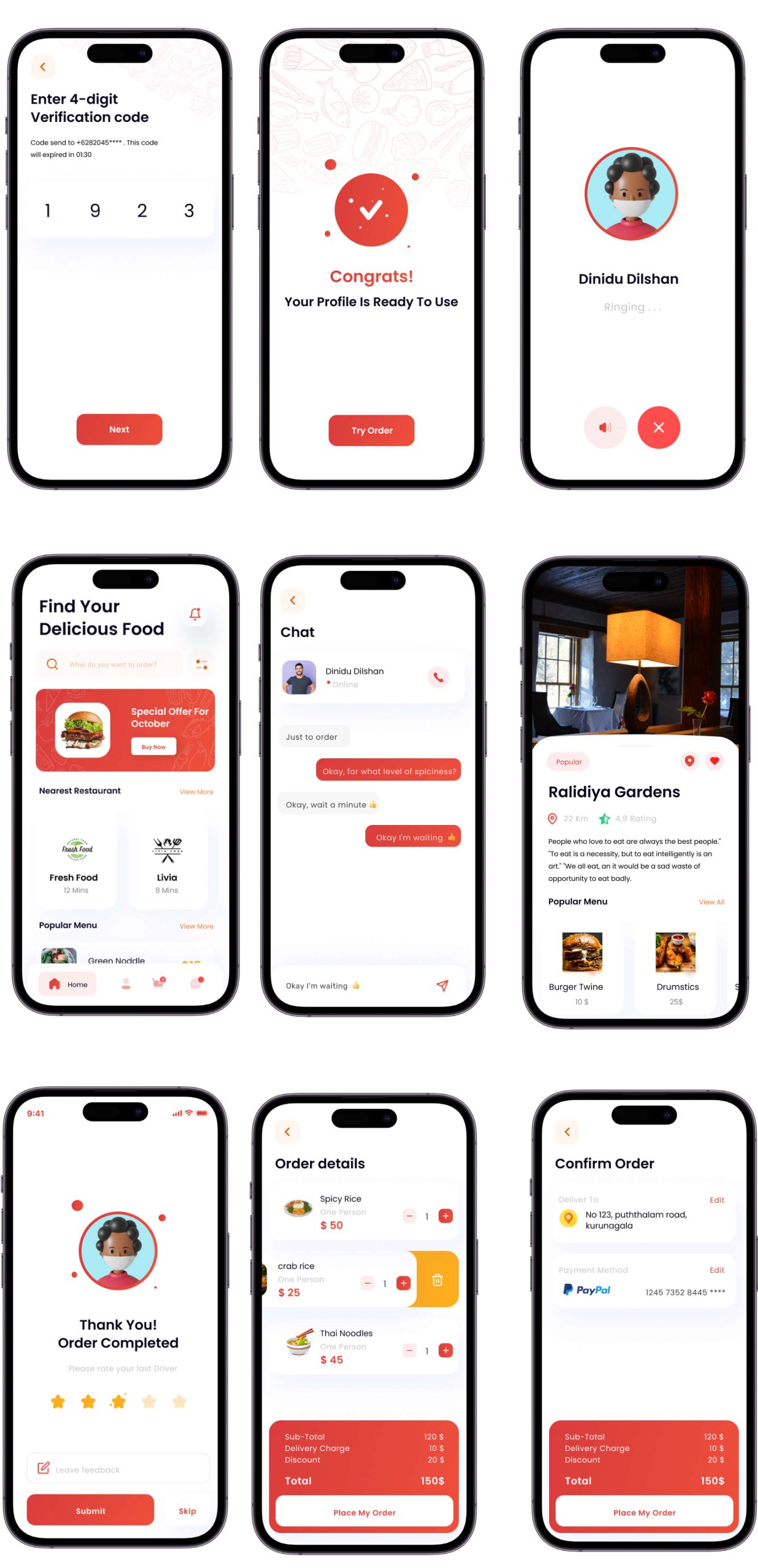
Visual design enhances the app’s aesthetics and usability through thoughtful use of color, typography, imagery, and spacing. A well-crafted visual hierarchy ensures clarity, engagement, and a seamless experience, making interactions more intuitive and appealing to users.
Me and my team work hard for this visual design stage also, because people always need user friendly design for use. In this stage we had to think lot of things like accessibility, usability, space, color psychology etc
Finally, We achieved all the things and completed out project on time.
Project Outcomes & Key Learning
Working on this problem helped me widen my understanding of user’s pain point of ordering food and its ill-effects. Finding the right features that solved the users problem was challenging, but this project helped me get out of my comfort zone & challenge myself to deliver user centric solutions.
However, there are still a lot of inputs & features that could be added with proper testing and identifying the problem with the help of real-time user data.