

For Design Phase : 2 Weeks
My Role : UX Designer, UI Designer, UX Researches, UX Tester
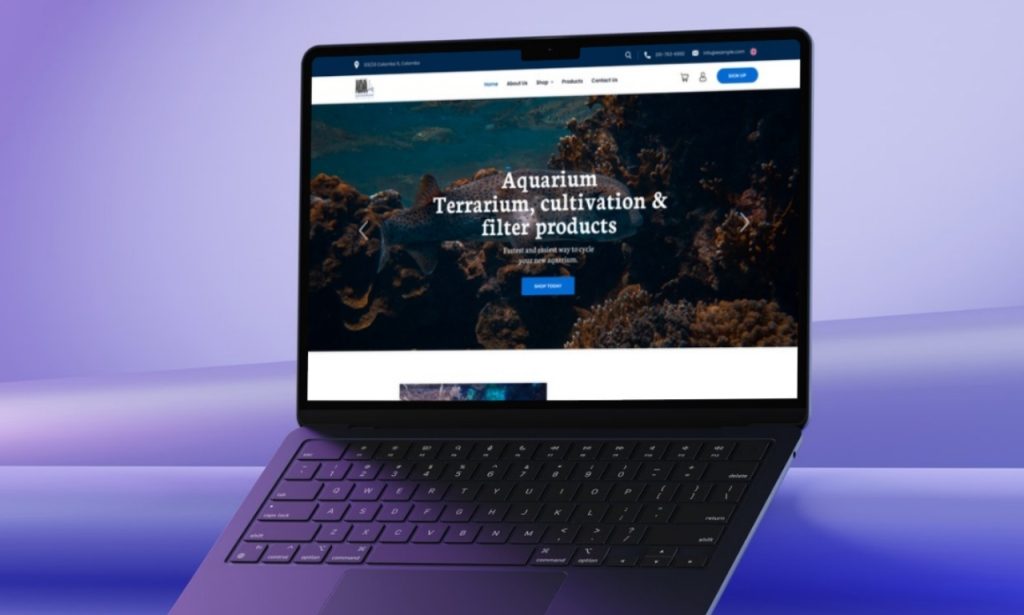
Akwaline Shop’s website had a suboptimal user experience, leading to high bounce rates, low conversion rates, and poor user engagement. The hero sections were cluttered, No proper user flow for home page, product pages lacked clarity, and user flows were confusing all over the web, making it difficult for users to navigate the site and complete their desired actions.
Actually there was no design to showcase here, because akwaline before site did not have better site, “just only two section text”
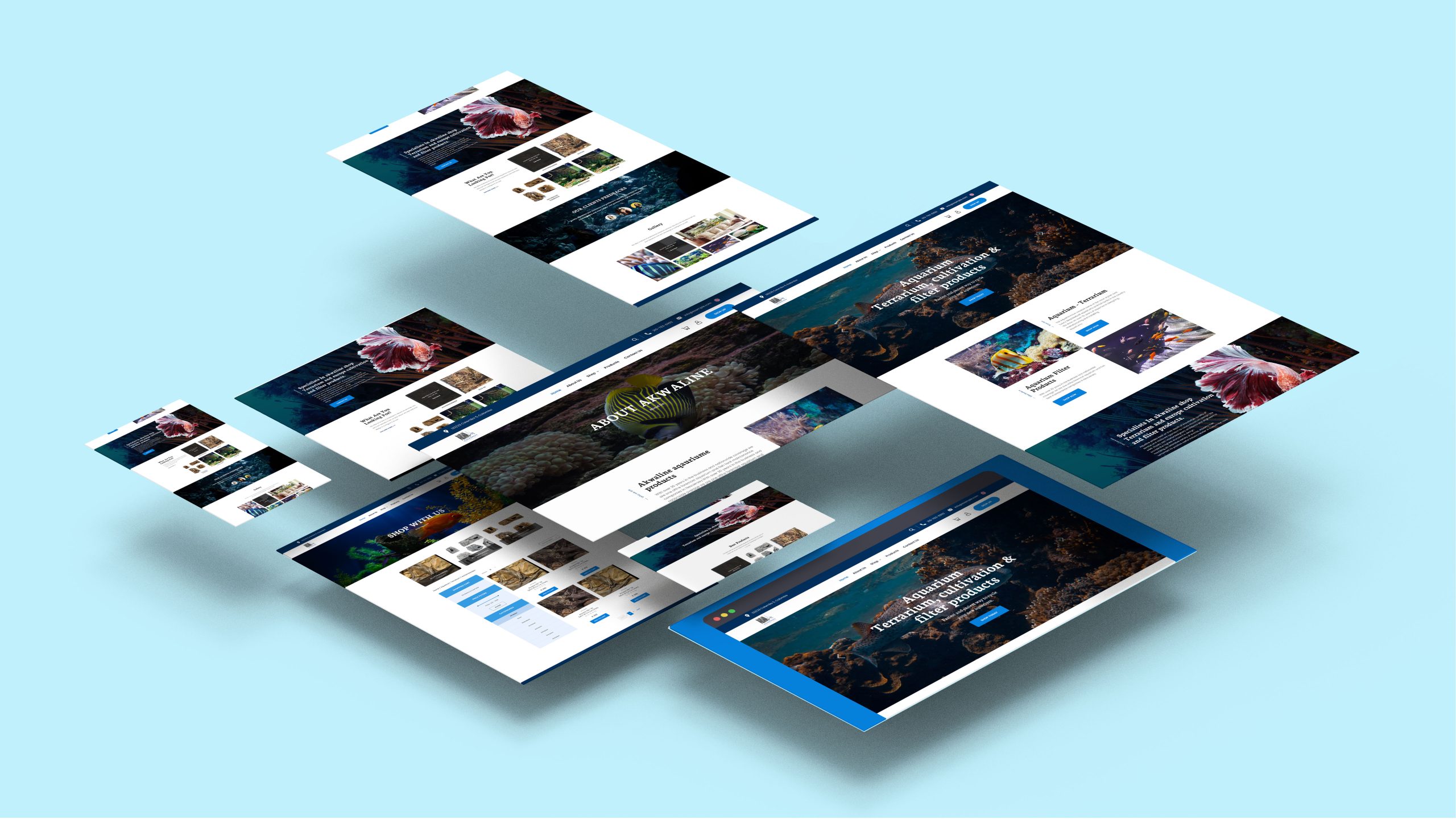
The project involved a comprehensive redesign of the website to enhance its design, usability, and functionality.
Akwaline’s (Netherland company) previous website fell short in terms of user-friendly, functionality, and user experience. To address these issues, they sought to revamp the site to better meet customer needs, the company’s growth and operational efficiency, and position themselves as a leader in the niche market.
Akwaline’s customers prefer a clean and simple interface, as many are aquarium hobbyists and small business owners who seek an easy and intuitive shopping experience rather than complex navigation.
Potential buyers expressed concerns about the current website’s outdated design, which impacted trust and discouraged purchases. A more polished and professional UI/UX will enhance credibility and boost conversions.
Our research revealed that potential customers expect a professional and visually refined website, which directly impacts their trust in Akwaline’s brand and products. To address this, I made a strong business case for implementing a higher level of design detail than ever before within the company.
Unlike traditional e-commerce sites that prioritize speed over polish, we recognized that Akwaline’s customers—who are both buyers and users—need a seamless, visually appealing, and trustworthy shopping experience. If we don’t deliver the level of polish that instills confidence, we risk losing conversions.
This means focusing on the small yet impactful details, such as consistent column grids, font hierarchies, and well-structured spacing systems to create a visually harmonious layout.
Initially, there was concern that investing in such detailed design elements might slow down the project. However, I demonstrated that by setting up a robust design system early—complete with a scalable style guide—our developers could implement the design correctly from the start. This approach not only ensures consistency but also prevents time-consuming revisions later.
By prioritizing these design solutions, Akwaline’s new website will provide a refined, user-friendly experience that builds trust, enhances engagement, and drives sales. 🚀
🔍 Empathize: Conducted user research to understand customer needs, pain points, and expectations for a seamless shopping experience.
🎯 Define: Identified key usability issues, trust concerns, and areas for improvement to create a clear problem statement.
💡 Ideate: Brainstormed and sketched solutions, focusing on intuitive navigation, engaging visuals, and a frictionless checkout process.
🎨 Design & Test: Developed high-fidelity UI designs, built a scalable design system, and conducted usability testing to refine the experience before launch.


Use simple page structure and UI According to target audience. Because target audience are belong to not a tech savvy people so they need simple and basic layout structure but very user friendly and easy to use.
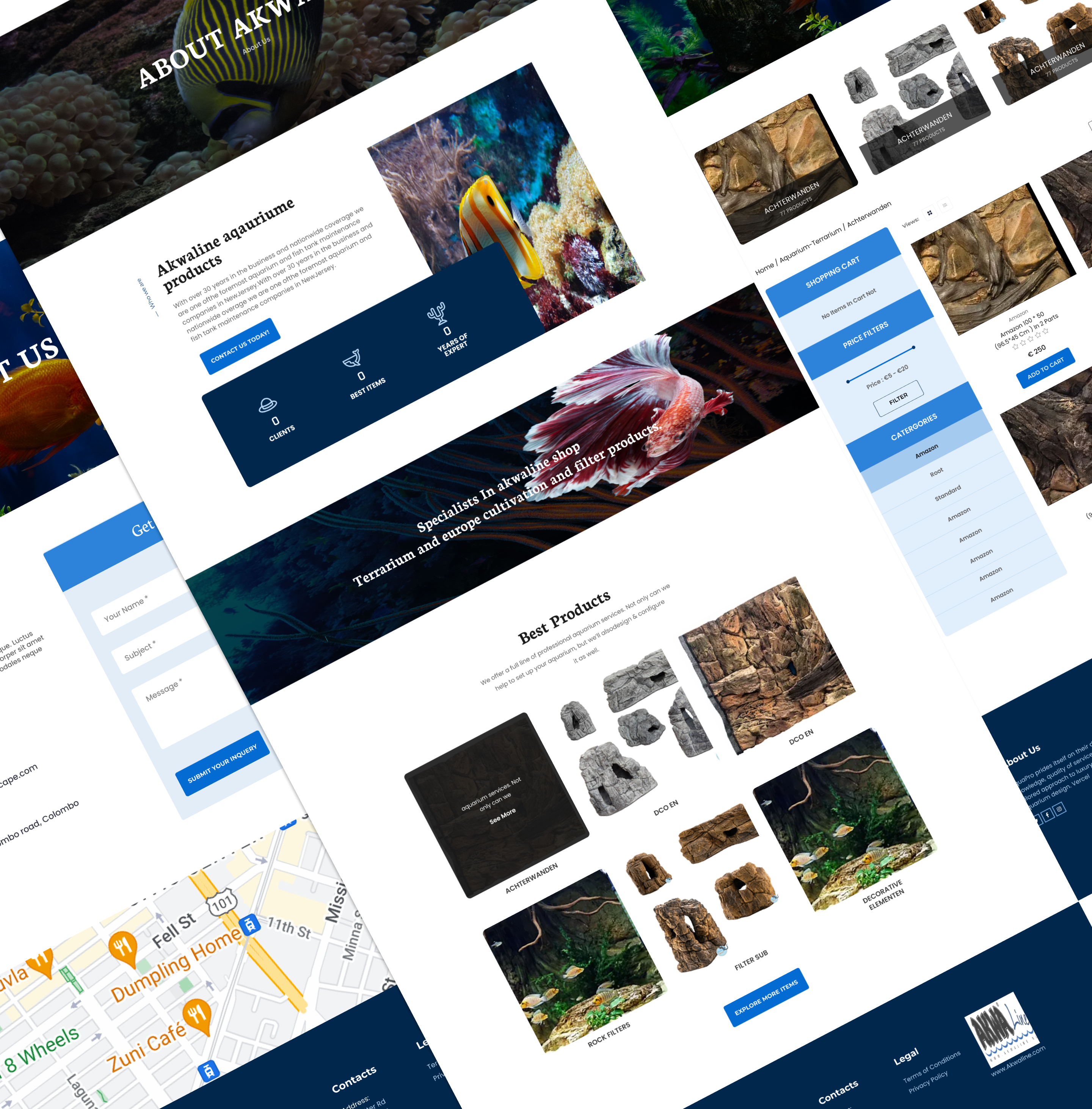
Our research showed that potential customers were hesitant to trust Akwaline’s old website due to its outdated and unpolished design. After implementing a refined, user-friendly interface, we saw a significant increase in conversions, proving that investing in visual and usability improvements directly impacts business growth.
Starting with a comprehensive style guide paid off. While engineers focused on complex e-commerce functionalities like real-time inventory updates, secure checkout flows, and seamless product filtering, I had the flexibility to fine-tune high-impact pages without slowing down development.
When refining the design, I ensured that we had the right meetings with the right people. Instead of involving stakeholders in every minor design decision, I set up focused sessions with the design team to perfect the visual and UX details first.
Once we were confident in our execution, we presented polished concepts to stakeholders—who were thrilled to see the elevated design quality aligning with our research-backed customer needs. This approach ensured that design discussions were efficient, productive, and driven by user-centered insights.
By prioritizing a structured design process, we not only enhanced Akwaline’s digital presence but also built a scalable, high-converting e-commerce platform that fosters customer trust and growth.